
What Makes a Game Feel Lucky? Exploring Game Design & Player Superstition
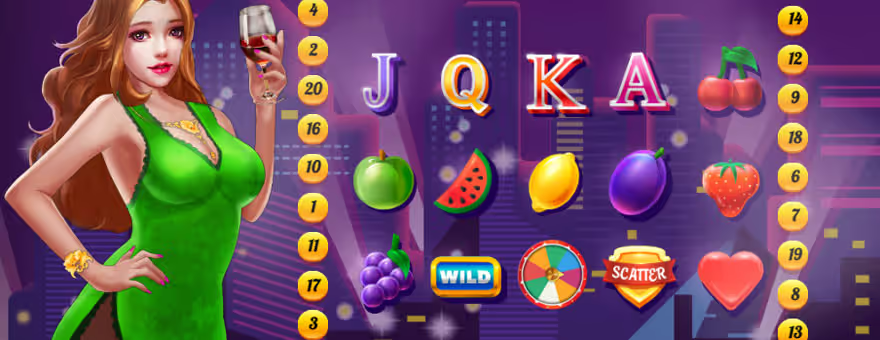
A slot game can be random and still feel lucky. That is the strange little trick. The math may be sitting behind the curtain doing its cold, number based job, but the player is staring at glowing reels, shiny symbols, near misses, bonus sounds, and thinking, “Something is about to happen. I can feel it.”
That feeling is not accidental. Casino games, especially slots, are designed to make chance feel alive. Luck gets lights, music, movement, and a personality. It stops being invisible and starts acting like it has entered the room wearing a gold jacket.
The near miss does a lot
Nothing makes players lean forward like almost winning. Two bonus symbols land. The third one teases the edge. The reels slow down. The screen practically holds its breath. Then it misses. Annoying? Yes. Effective? Very. A near miss makes the brain feel close to a result, even when the outcome is still random. It creates the sense that the game is warming up, noticing you, or preparing something. That is where superstition sneaks in wearing quiet shoes. One more spin starts to feel reasonable because the last one looked “close.”
Sounds make wins feel bigger
Slot games know how to celebrate. Even small wins can arrive with bright sounds, coins flying, screen flashes, and a tiny parade of excitement. The reward might not be huge, but the game makes it feel like the room stood up for you. That matters because sound teaches emotion fast. A cheerful jingle can make a player feel successful before they even check the number. The game is not just showing a win. It is performing the win.
Casino games use this well because people remember feelings more than exact payouts. The sound becomes part of the luck.
Symbols carry superstition
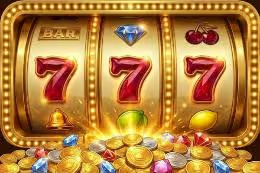
Certain symbols already feel lucky before the game even starts. Sevens, bells, gold coins, diamonds, horseshoes, dragons, stars, and treasure chests all come with built in meaning. Players see them and bring their own little beliefs along. A red seven does not need to explain itself. It arrives looking confident. A treasure chest looks like it knows something. A golden animal on a reel feels important even if it is just one symbol among many. Good slot design uses familiar lucky imagery because players understand it instantly. No lecture needed. The symbol says, “Trust me, I look expensive.”
Players invent rituals anyway
Even when people know slots are chance based, they still create habits. They pick a favorite game. They spin at a certain time. They stop after a bonus. They tap the screen twice. They avoid one machine because it “felt rude” last time. Is it logical? Not really. Is it human? Completely. People like patterns. When results are random, the brain starts hunting for meaning. A lucky game may simply be the one that once gave a good result, had better music, or looked friendly enough to deserve another try.
Pace changes the mood
Fast slots feel exciting. Slower slots feel suspenseful. Bonus rounds feel like a little doorway opening. Free spins feel like the game has suddenly become generous, even though the rules were there all along. Pacing decides whether a game feels calm, dramatic, playful, or intense. The luck feeling often comes from timing. A reel pause, a sudden animation, a bonus meter filling up, or a surprise feature can make the player feel like the game is building toward something.
Luck is mostly theatre
What makes a game feel lucky is not just the outcome. It is the theatre around the outcome. The lights. The symbols. The sounds. The almost wins. The bonus hints. The tiny rituals players bring with them. That does not mean the game is actually favoring anyone. Slots and casino games should still be treated as entertainment, not a plan. But the feeling of luck is powerful because it turns random results into a story. One spin becomes suspense. One symbol becomes a sign. One small win becomes proof that maybe, just maybe, the game likes you today.